Usage
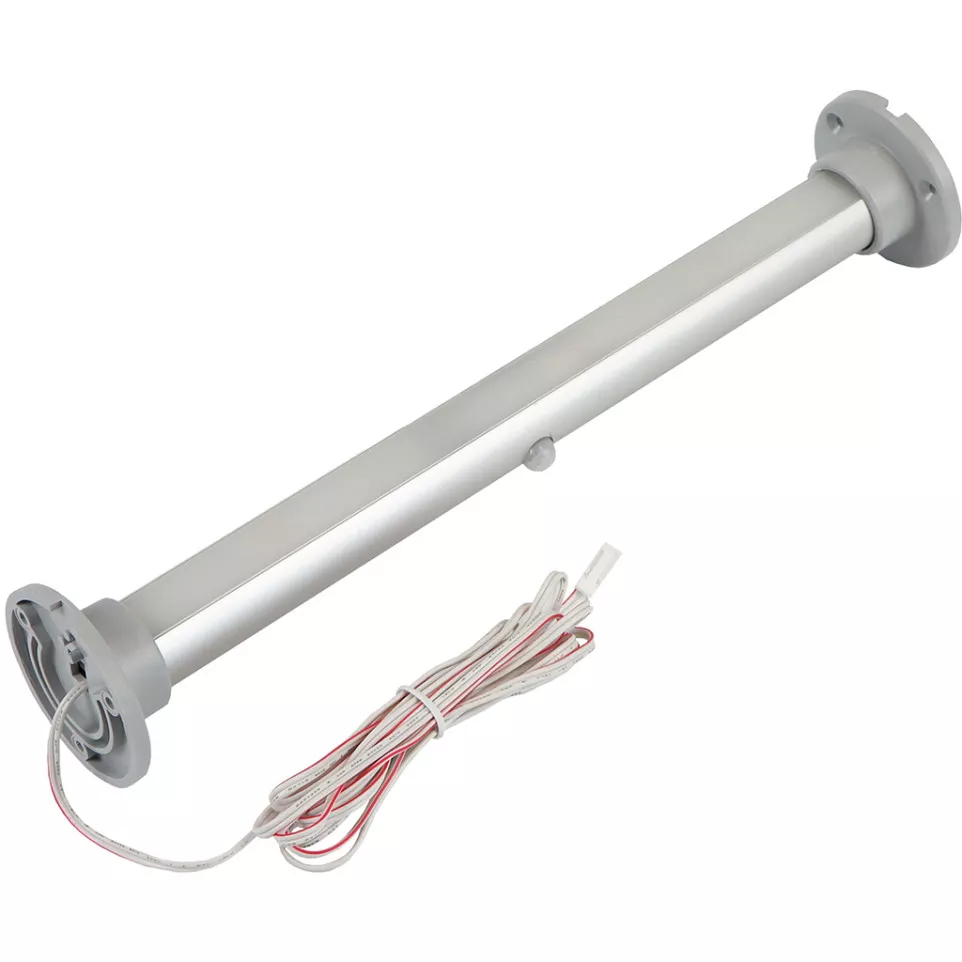
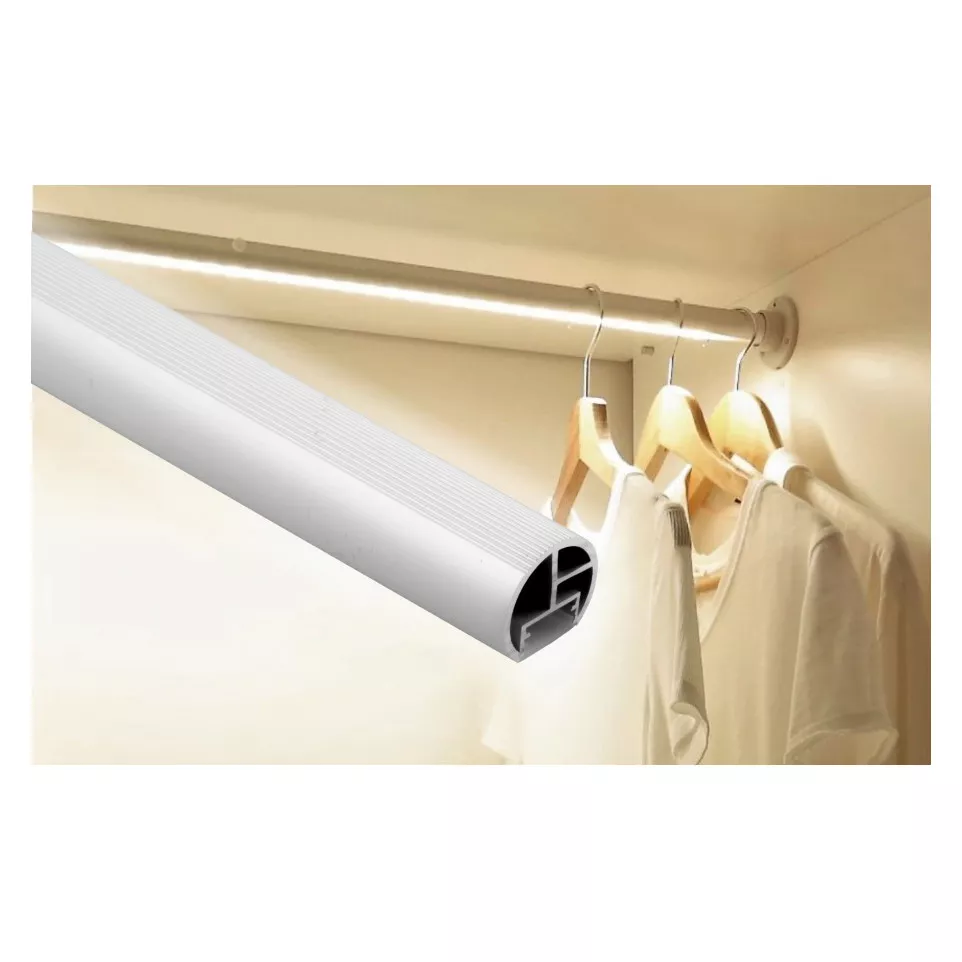
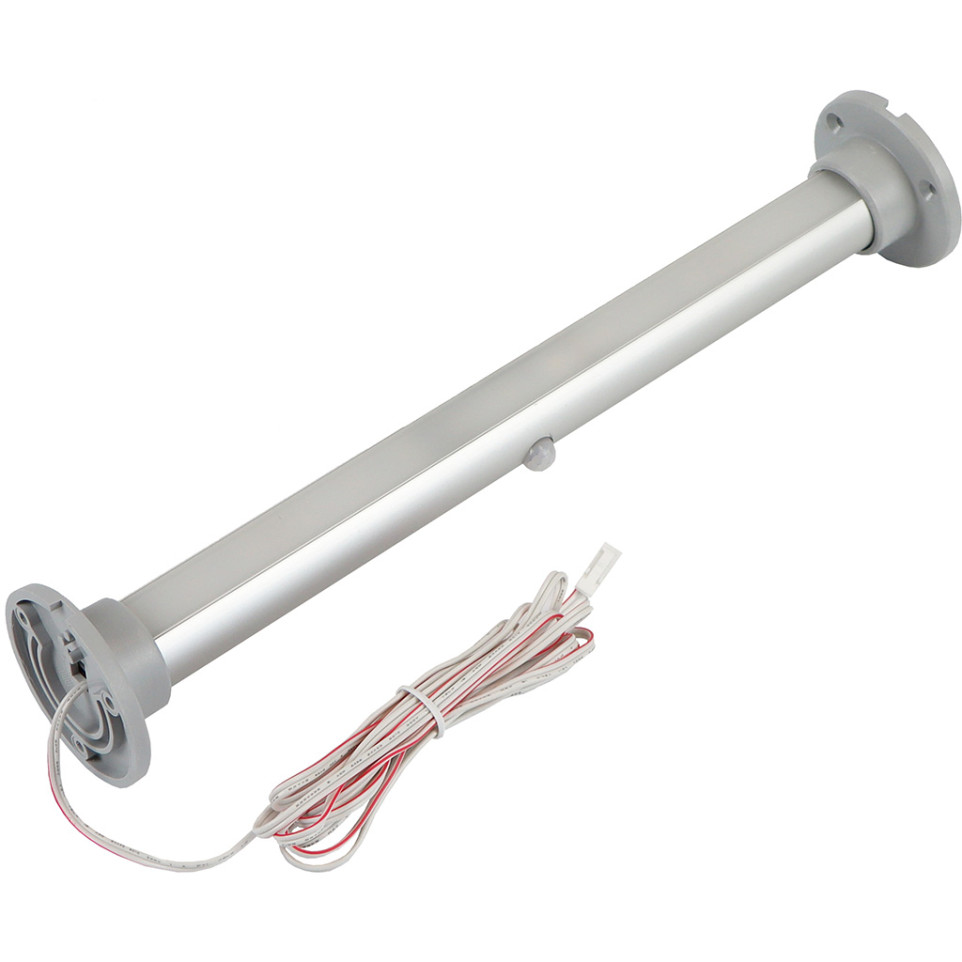
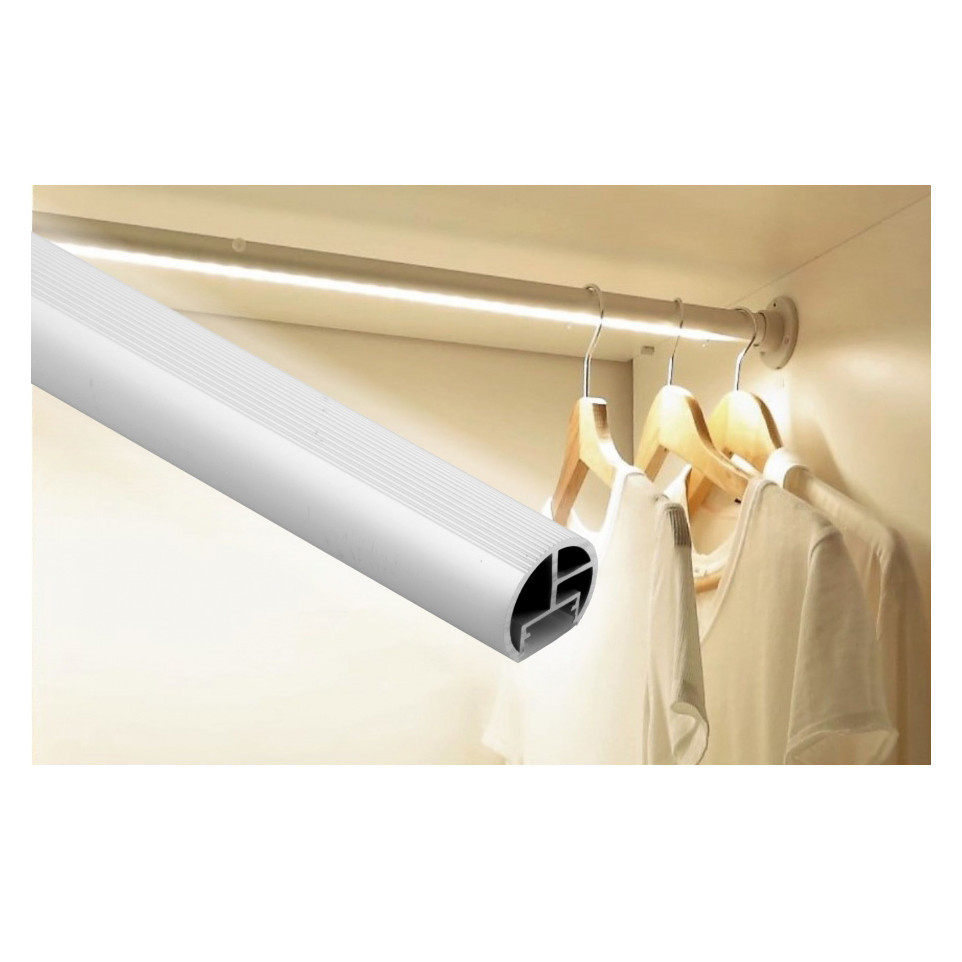
This LED wardrobe rail with PIR sensor is designed for installation in closets, dressing rooms, or furniture to provide automatic and targeted illumination when motion is detected.
Advantages
- PIR motion sensor enables hands-free activation for convenience.
- Integrated LED light ensures uniform illumination along the length of the rail.
- Anodized aluminium construction offers robustness and modern aesthetics.
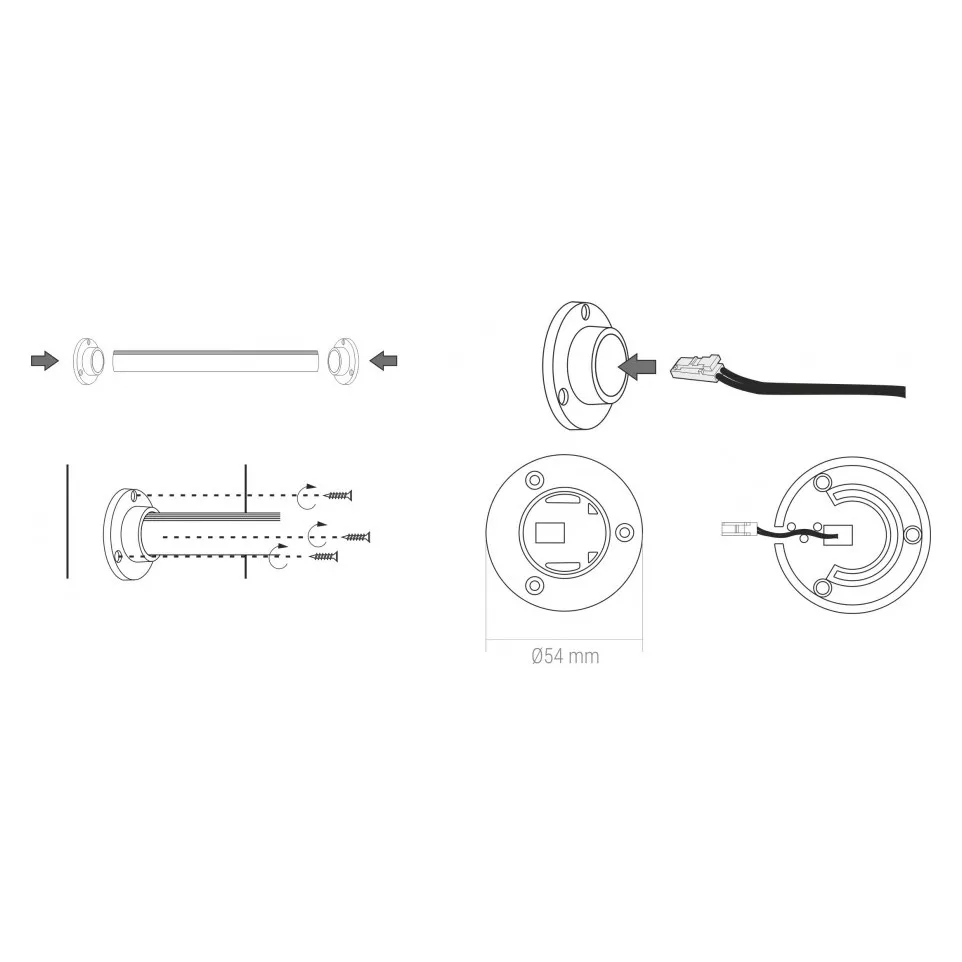
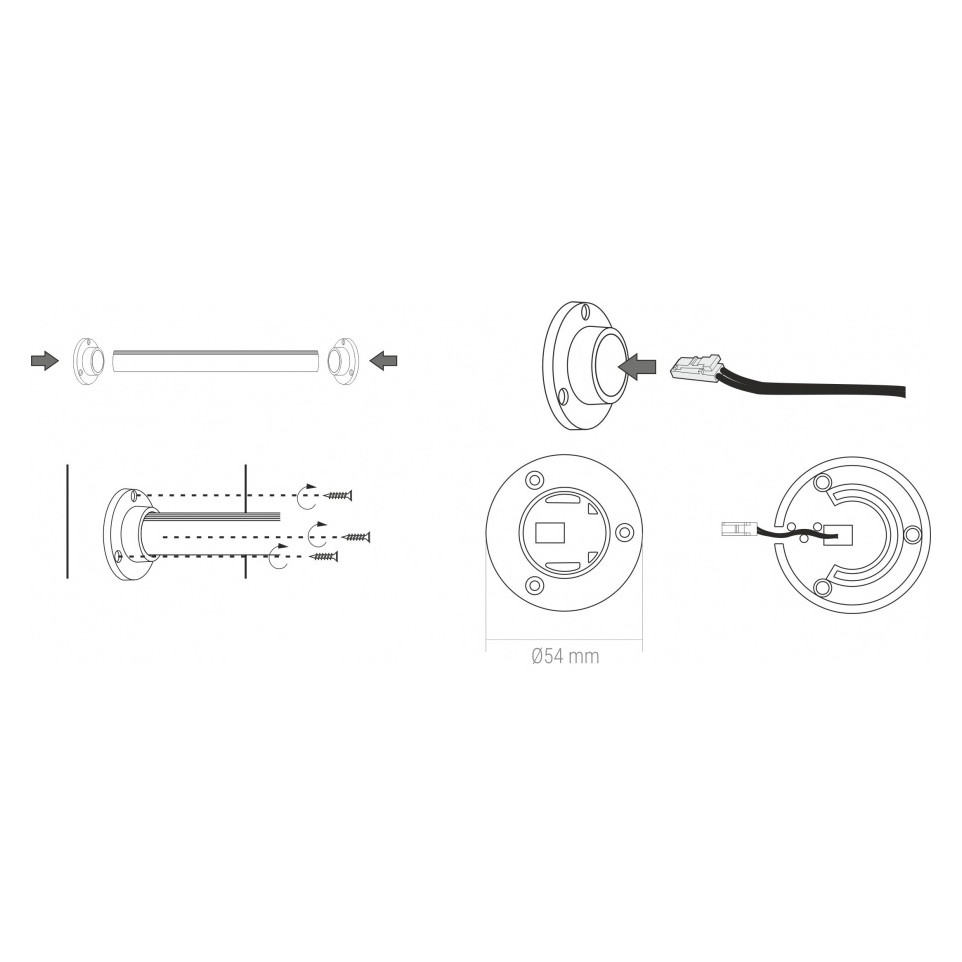
- Simple surface mounting makes installation quick and non-invasive for furniture projects.
- Cable outlet positioned on the right side to suit specific wiring requirements; fixed orientation may limit placement flexibility for some installations.
Specifications
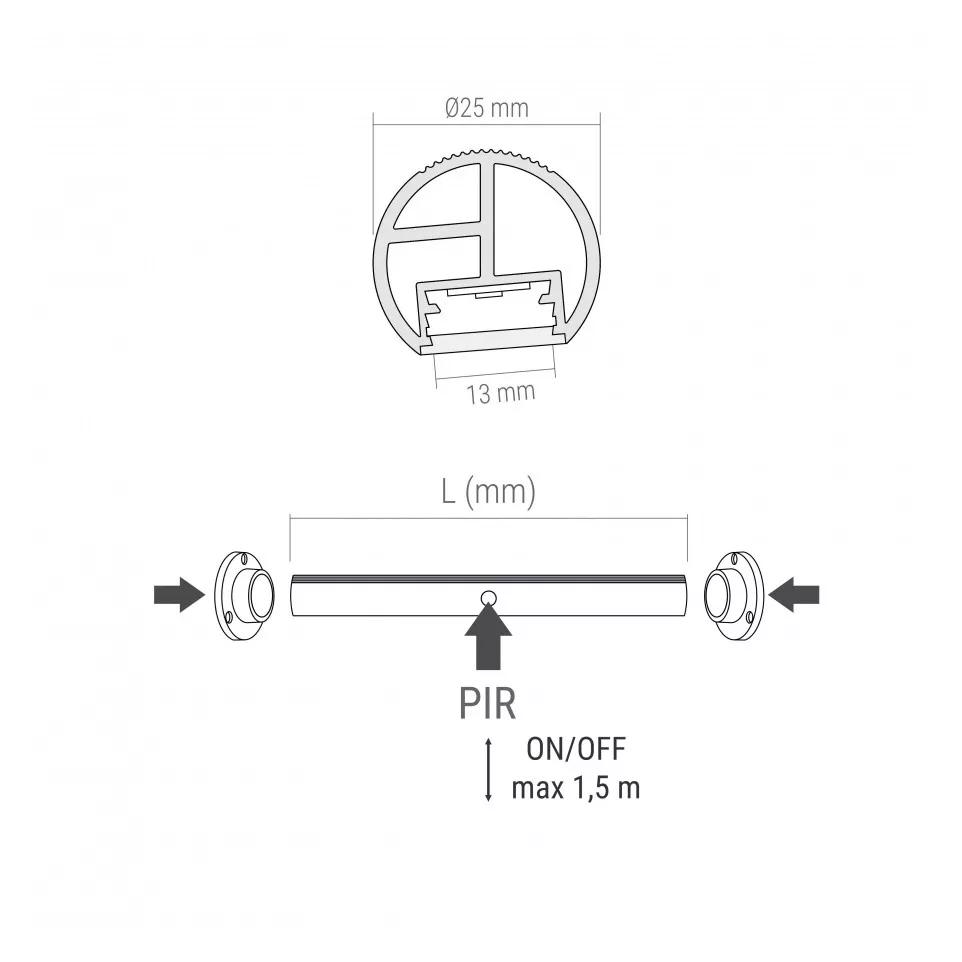
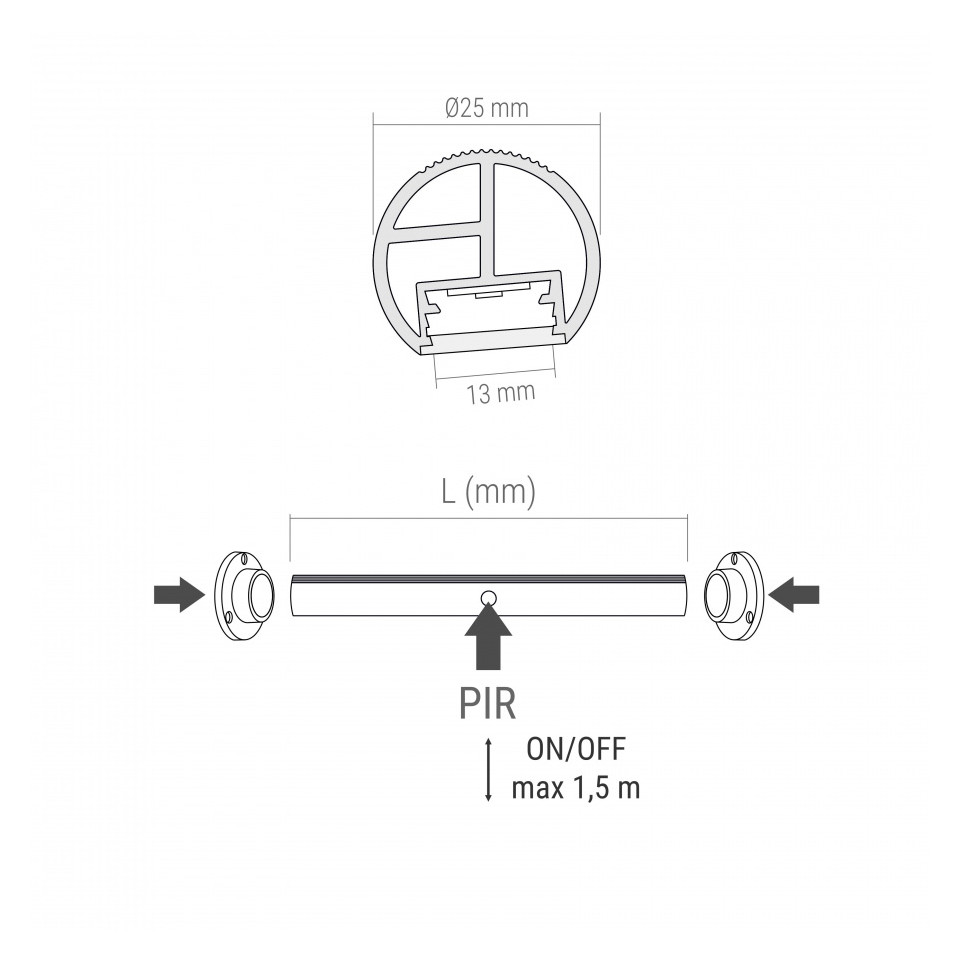
- Cylindrical hanging rail, Ø25 mm diameter, length: 700 mm; made from anodized aluminium with integrated opal diffuser strip for even light output.
- Sustainable LED technology rated for extended lifespan (typically over 30,000 hours), offering low maintenance operation and energy efficiency. CE compliant design meets common safety standards for furniture lighting components.
- Total length: 700 mm. Diameter: Ø25 mm. Integrated power cable outlet on right side. Suitable input voltage: most commonly supplied as a low-voltage (12V–24V DC) fitting—please confirm compatibility with intended driver or power supply system. Light output typically ranges between approximately 450–650 lumens per meter depending on model variant; actual values may vary by manufacturer’s configuration and color temperature selection (usually neutral or warm white options).
- Differentiating features include built-in passive infrared (PIR) sensor that automatically activates lighting when presence is detected in proximity, turning off after a preset delay when no movement is sensed. Designed specifically as both a load-bearing clothes rail and direct task light source within wardrobes or storage spaces.
How it works
The integrated PIR sensor detects motion nearby to automatically switch on the built-in LED lights along the rail’s underside—illuminating clothing and contents without manual switches—and turns off after a set time once movement ceases, enhancing user comfort while saving energy.