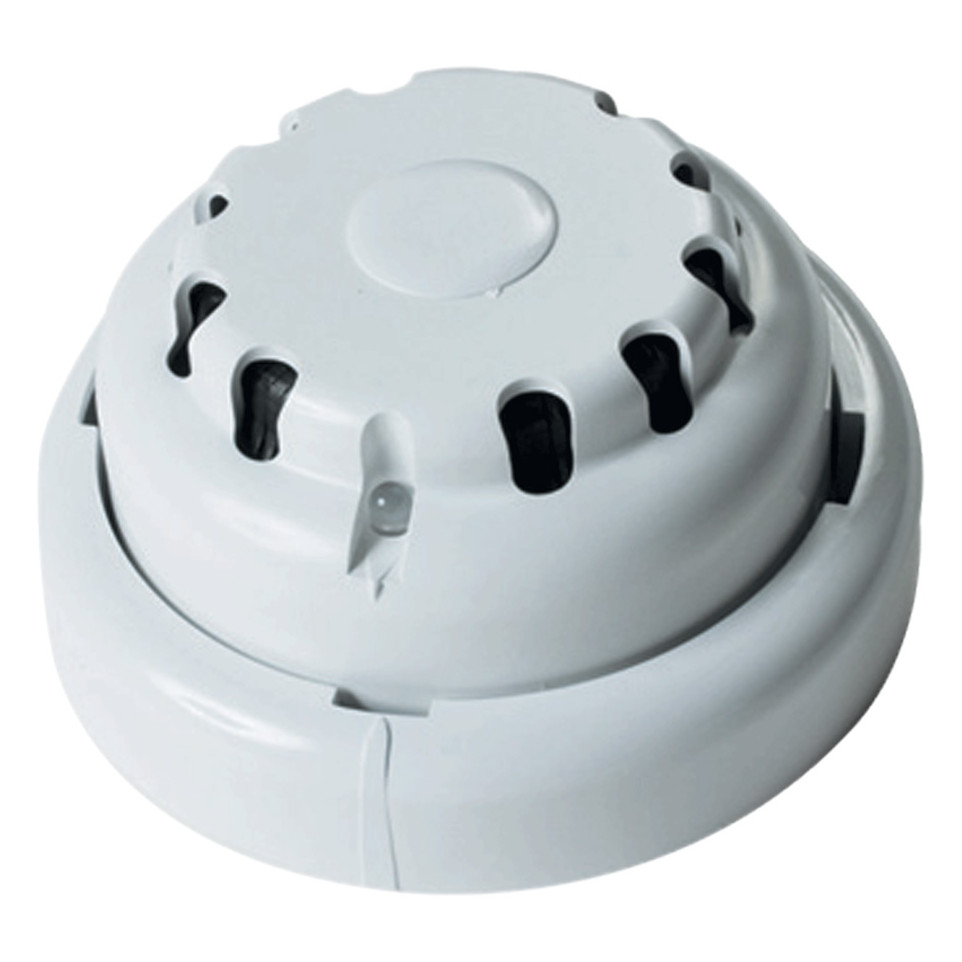
Usage
The UCS optical smoke detector is designed to detect early signs of fire by sensing smoke particles, making it suitable for integration in smoke extraction systems within commercial or industrial environments.
Advantages
- Rapid response to the presence of visible smoke particles ensures timely activation of safety protocols.
- Optical sensing technology reduces false alarms from dust and steam compared to ionization detectors.
- Easy integration into existing smoke extraction units for enhanced overall system reliability.
- Low maintenance requirements due to robust construction and minimal moving parts.
- Sensitivity may be affected by long-term exposure to heavy contaminants, requiring periodic cleaning or replacement.
Specifications
- The detector utilizes optical (photoelectric) technology housed in a compact enclosure tailored for ventilation and extraction systems.
- Casing constructed with fire-resistant materials meeting recognized industry standards; compliance with commonly required certifications such as EN54-7 where applicable.
- Sensing chamber detects changes in light patterns caused by airborne particulates, typically responding within seconds of sustained smoke presence; coverage area often up to approximately 50–100 m² per unit depending on installation height and airflow conditions (actual values may vary per specific model).
- Differentiates from standard detectors through optimized airflow design that matches the operational dynamics of ventilation shafts or duct-mounted applications common in large building extractions systems.
How it works
The UCS optical smoke detector operates by continuously monitoring air passing through its sensing chamber. When visible smoke particles disrupt the internal light beam, the device triggers an alarm signal, enabling rapid activation of connected extraction fans or alarms.