Usage
The BMH 1013-PZ(W) anti-panic lock is designed for right-hand (DIN L) emergency exit and fire-resistant doors in public or commercial buildings, ensuring quick egress while maintaining access control.
Advantages
- Panic function D allows safe evacuation by unlocking the latch and deadbolt with a single interior action.
- Fire resistance certified to EN179:2008 and DIN 18250 for use on fire doors and escape routes.
- Robust construction with stainless steel faceplate and galvanized steel case improves durability in demanding environments.
- Suitable for both wooden and metal doors; accommodates profile cylinders (PZ).
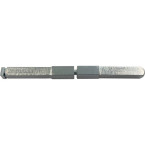
- The special split spindle mechanism supports compatibility with panic bars or lever handles, increasing installation flexibility.[2][6][7]
Specifications
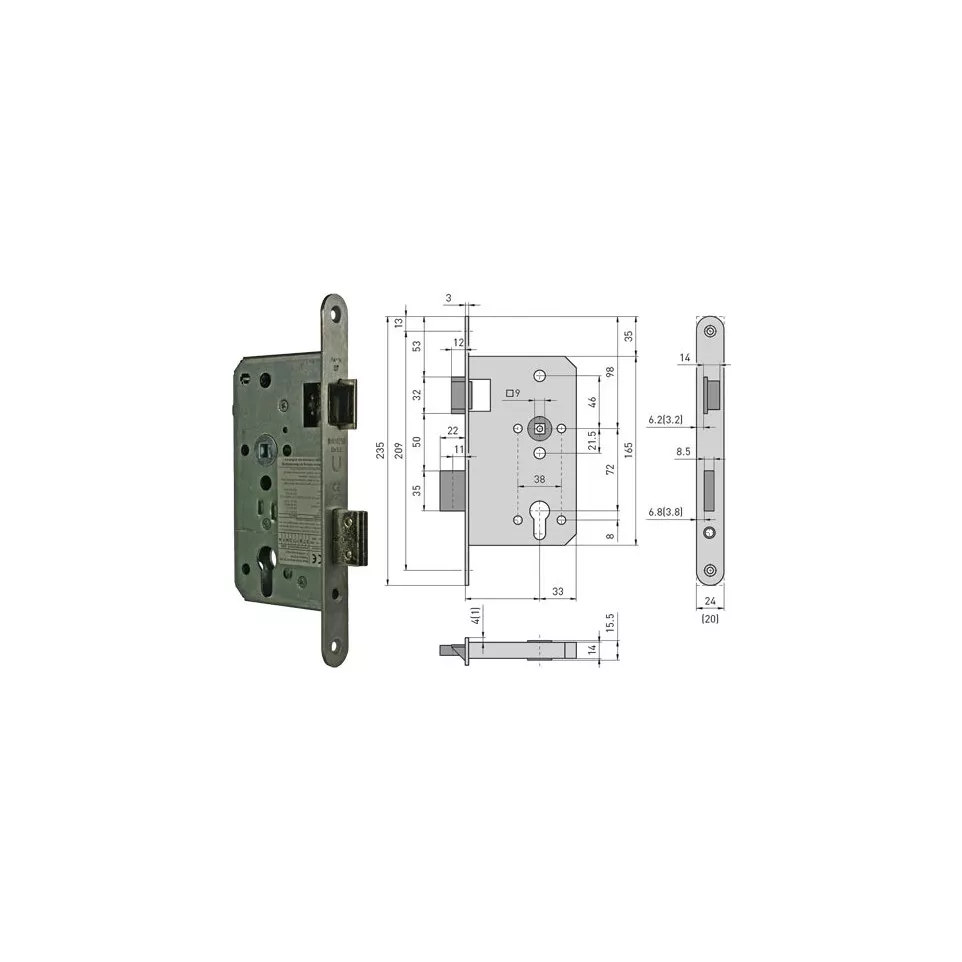
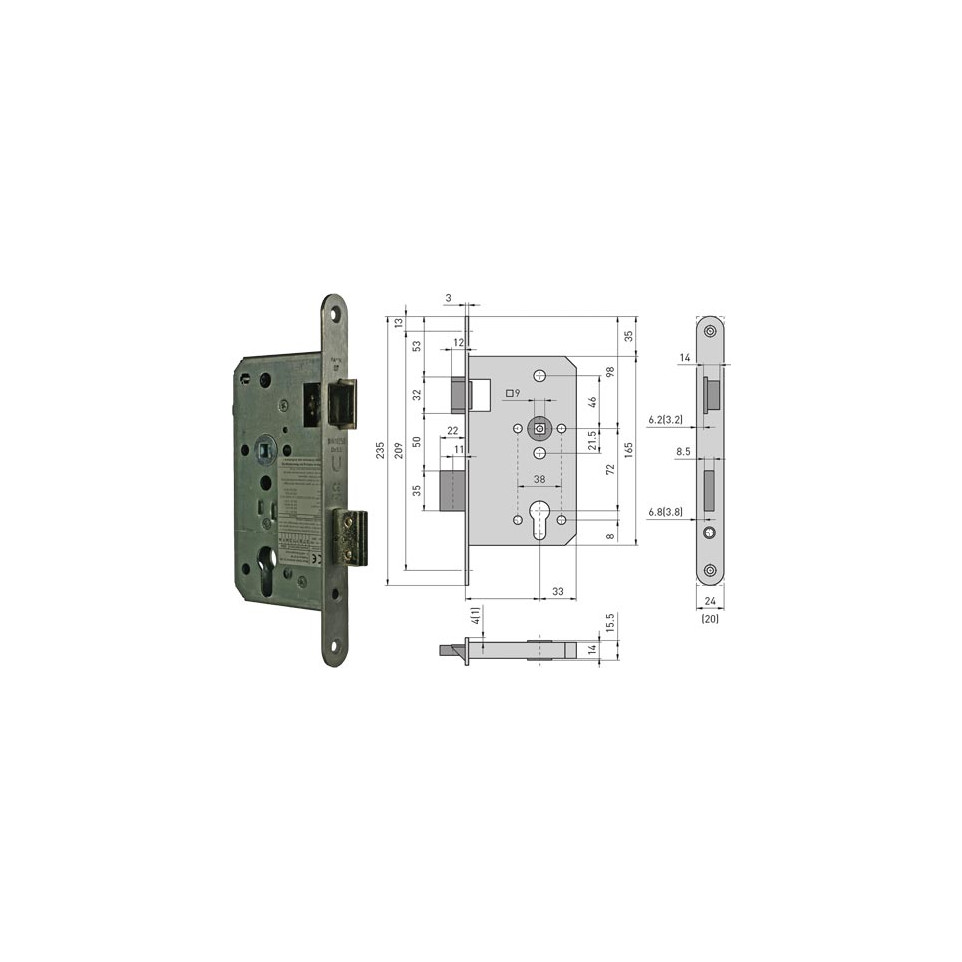
- Design: Mortise single-point lock; stainless steel rounded faceplate (24 mm width), galvanized closed steel lock case, nickel-plated metal latch and reinforced nickel-plated double-throw deadbolt.[1][6][7]
- Certifications: Conforms to EN179:2008 classification (3/7/7/B/1/3/5/2/A/B), DIN 18250 fire safety standard, suitable for emergency exits/fire-rated doors.[2][6]
- Main Dimensions: Backset: 55 mm; Center distance: PZ72 mm; Forend length: approx. 235 mm; Square spindle size under handle: special split double-sided, Ø9 mm.[6][7]
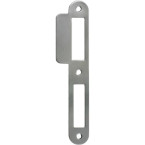
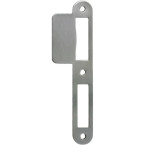
- Differentiating Features: Anti-panic D function enables egress even if the door is fully locked from inside. Key operation required from outside when deadbolt engaged. Compatible with both lever handle sets and panic bars (not included). Not supplied with striking plate.[6][7]
How it works
This mortise lock uses a mechanical split-spindle system so that from inside, turning the handle or pressing a linked panic bar retracts both latch and deadbolt simultaneously—even if locked—allowing immediate exit in emergencies. From outside, access requires a key when the deadbolt is engaged.[6][7]