Your cart
There are no more items in your cart


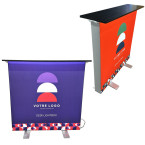
Heras banner - 330x170 cm
€76.50
In stock
Call from Monday to Friday
8:30 a.m. to 5:30 p.m.
(BE) +32(0)71 25 85 81
(LU)+352 20 30 15 72
Green tungsten electrodes designed specifically for aluminum TIG welding, supplied in a pack of 10 rods with a diameter of 2 mm. Ref: 374642.
Green tungsten electrodes are used in AC TIG welding of aluminum and aluminum alloys. Unlike electrodes used for steel, these should not be pointed or ground to a tip. During welding, the electrode naturally forms a rounded ball at its tip due to the AC current, which is essential for proper arc stability and weld quality on aluminum.
Why should green tungsten electrodes not be pointed? When welding aluminum with AC current, the electrode tip naturally forms a hemispherical ball shape during use. Grinding a point is unnecessary and counterproductive, as the balled tip is required for stable arc performance on aluminum.
What welding process are these electrodes designed for? These electrodes are intended for TIG welding using alternating current, which is the standard process for welding aluminum and magnesium alloys.
Can these electrodes be used for welding steel or stainless steel? No. Green pure tungsten electrodes are specifically suited for AC TIG welding of aluminum. For steel or stainless steel, thoriated or ceriated tungsten electrodes are recommended.
What does the green color code indicate? The green color identifies the electrode as pure tungsten, as defined by international electrode classification standards. This distinguishes it from alloyed variants such as red (thoriated) or grey (ceriated).
How should these electrodes be stored? Store the electrodes in a dry, clean environment, ideally in their original packaging, to prevent contamination or damage that could affect arc stability and weld quality.
mvm-dt-2026-03