Usage
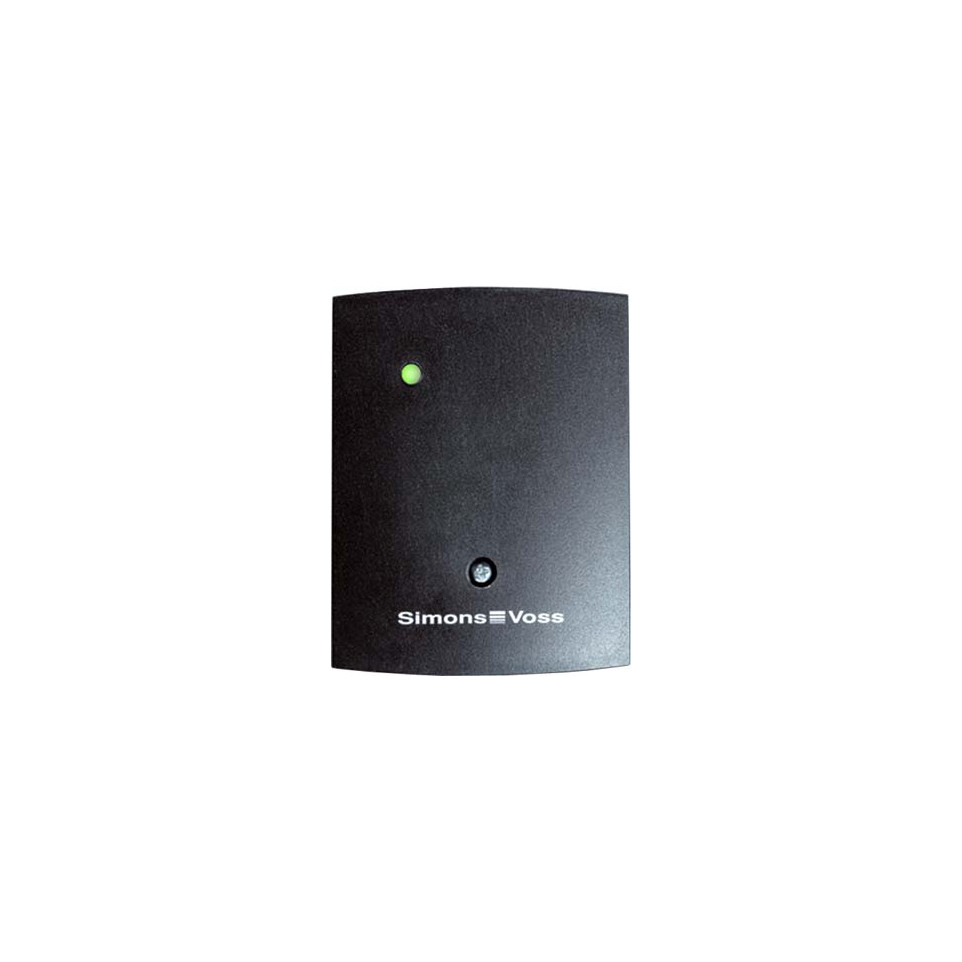
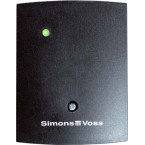
The Smart Output Module from SimonsVoss is designed for integration with battery-powered access and control systems, providing reliable switching of external devices and secure relay output management within automation or security installations.
Advantages
- Enables the independent control of up to eight relay outputs per module for flexible device management.
- DIN rail mounting streamlines installation in standard electrical cabinets.
- Robust housing constructed from fiber-reinforced polycarbonate ensures longevity in protected environments.
- Reverse voltage protection guards against power supply errors during connection or maintenance.
- Programmable switching intervals between 0 and 25 seconds allow customized control responses; note the IP20 rating restricts use to indoor, non-dusty locations[2].
Specifications
- Design: Green, fiber-reinforced polycarbonate housing with transparent cover; weight approx. 170 g; compact dimensions suitable for DIN rail (37 mm × 15 mm).
- Sustainability & Compliance: Service life up to five million electrical cycles at typical loads; mechanical lifespan rated at one hundred million operations[2]. Meets general industrial standards for modular relay output devices (IP20 rated).
- Main Performance: Eight independent potential-free relays per module; contact material AgNi+Au. Switching voltage max. 24 VDC, current max. 200 mA per channel (1 A total OUT); standby consumption under 120 mA[2][7]. Operating temperature: from 0°C to +60°C.[7]
- Differentiating Features: RS485 system interface with support for cable runs up to 150 meters (or up to 300 meters depending on setup). Signal status monitoring via one RGB LED plus eight green individual LEDs.[2]
How it works
The module receives digital commands via an RS485 interface from a connected controller or SmartRelay Advanced unit. Upon authorized actuation, it energizes any combination of its eight onboard relays according to programmed timing settings, allowing remote operation or automation of connected low-voltage devices such as locks, alarms, or signaling equipment.[2][7]