Your cart
There are no more items in your cart
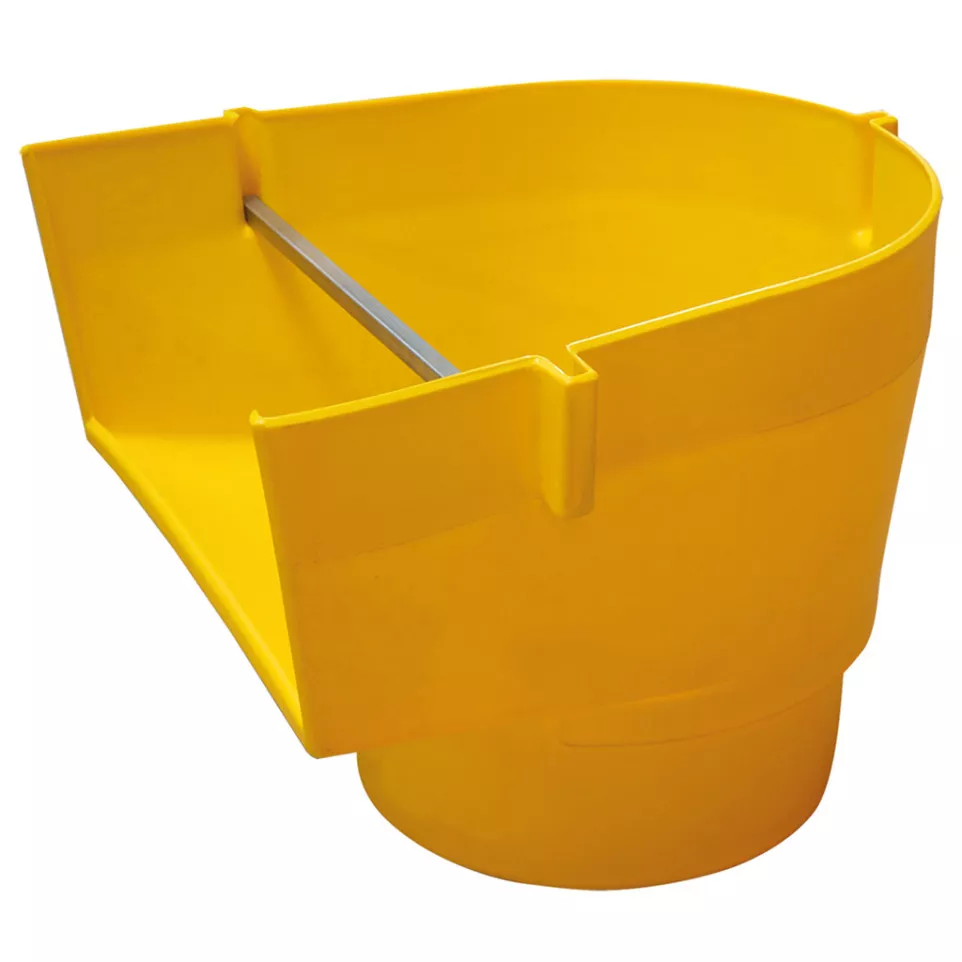

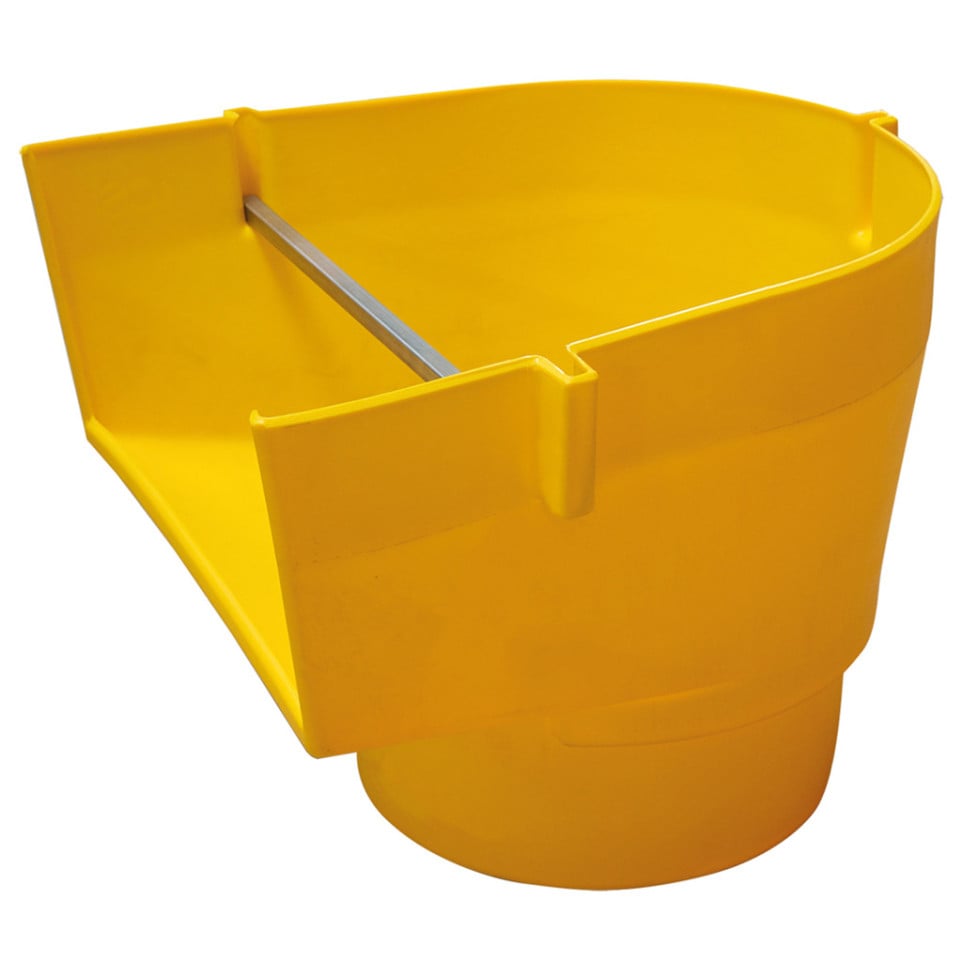
Rubble Disposal Chute with Two Chains / pc
€106.62
In stock
Call from Monday to Friday
8:30 a.m. to 5:30 p.m.
(BE) +32(0)71 25 85 81
(LU)+352 20 30 15 72
The rubble chute starter section is used to initiate the safe and efficient evacuation of construction debris from elevated work areas to ground-level containers. It serves as the entry point for modular chute systems on building sites.
The starter section mounts at the discharge point (window, scaffold, or slab) using integrated chains or supports, forming the top segment of a vertical chute system. Debris deposited in the opening flows through joined chutes directly into collection containers below.
| Brand | Autre |
|---|---|
| Description | goulotte de départ |