Usage
The BB Locks A1 Basic 50 SX electric lock is designed for high-security access control on commercial and industrial single doors, suitable for environments requiring reliable electromechanical locking integrated with access management systems.
Advantages
- Immediate locking upon door closure with a robust deadbolt and 20 mm bolt throw[1][3].
- Stainless steel components and baseplate ensure high resistance to corrosion and wear[1][3].
- Adjustable striker plate allows precise alignment for diverse installation contexts[1][3].
- Integrated microprocessor control provides advanced signalisation of bolt, door, cylinder, and handle status[1][3].
- Mechanical key override ensures access in case of power failure or emergency situations[1][3].
Specifications
- The lock features stainless steel (AISI 304) locking components, cylinder block, baseplate, and striker plate; the PCB is protected by polyurethane casting for enhanced durability in demanding settings[1][3].
- CERTIFICATIONS: EN14846 compliance; rated for up to one million operating cycles; lateral force resistance up to 40,000 N; corrosion resistance tested to ≥240 hours (neutral salt spray)[1][3].
- Latching/locking action: Bolt throw is mechanically actuated at each closing (20 mm); operates at stabilized DC supply (24V ±5%), activation current: max. 2.2A (<0.2 s), holding current: <130 mA[1][3]. Suitable for doors up to 200 kg mass.
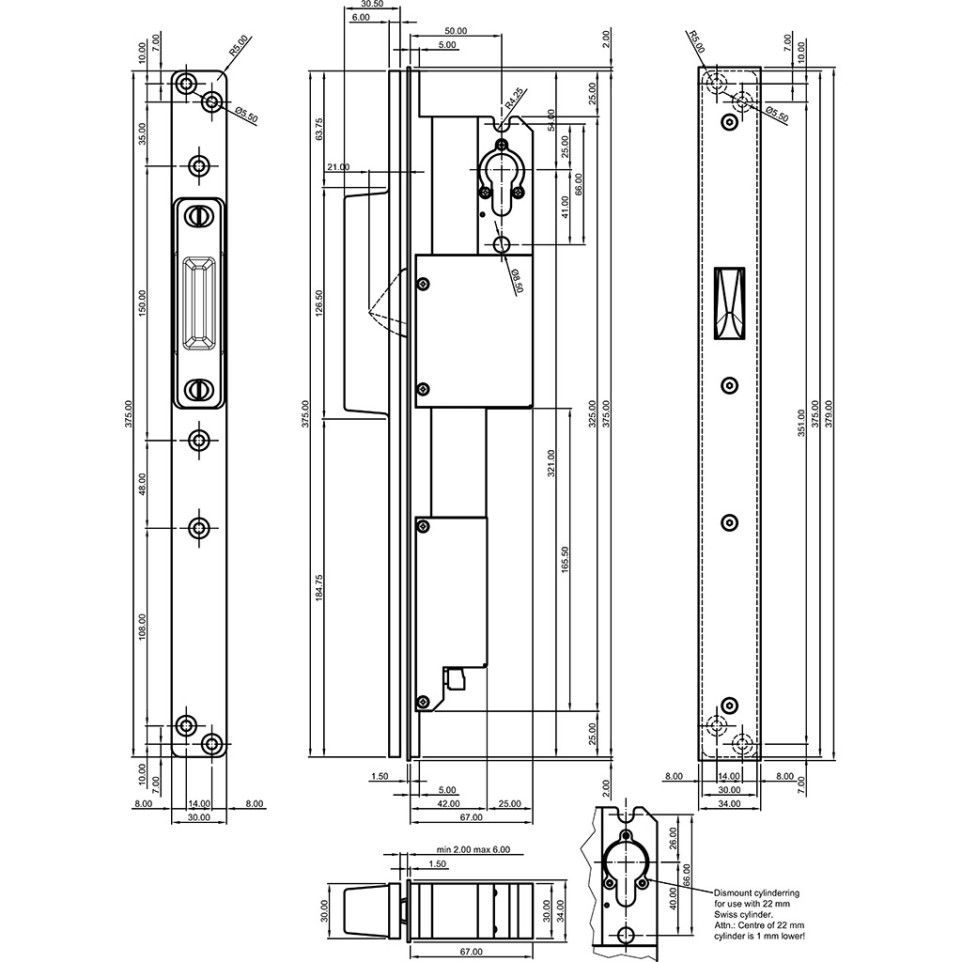
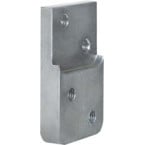
- Differentiators include three Hall sensors enabling precise position detection of the door/bolt/cylinder/handle as well as an anti-saw pin within the bolt mechanism. Adjustable striker plate model ASP included enhances fitment flexibility by +/-2 mm laterally during installation[1][3]. Available backset options include a standard size of 50 mm compatible with both Europrofile (17 mm) and round cylinders (22 mm)[1][2].[3]
How it works
The A1 Basic SX operates by receiving a controlled electrical impulse from an access system or manual trigger device. Upon closure, it automatically locks using its powered deadbolt while continuously monitoring state via built-in sensors. Mechanical unlocking with a key remains possible if required.[1][3]