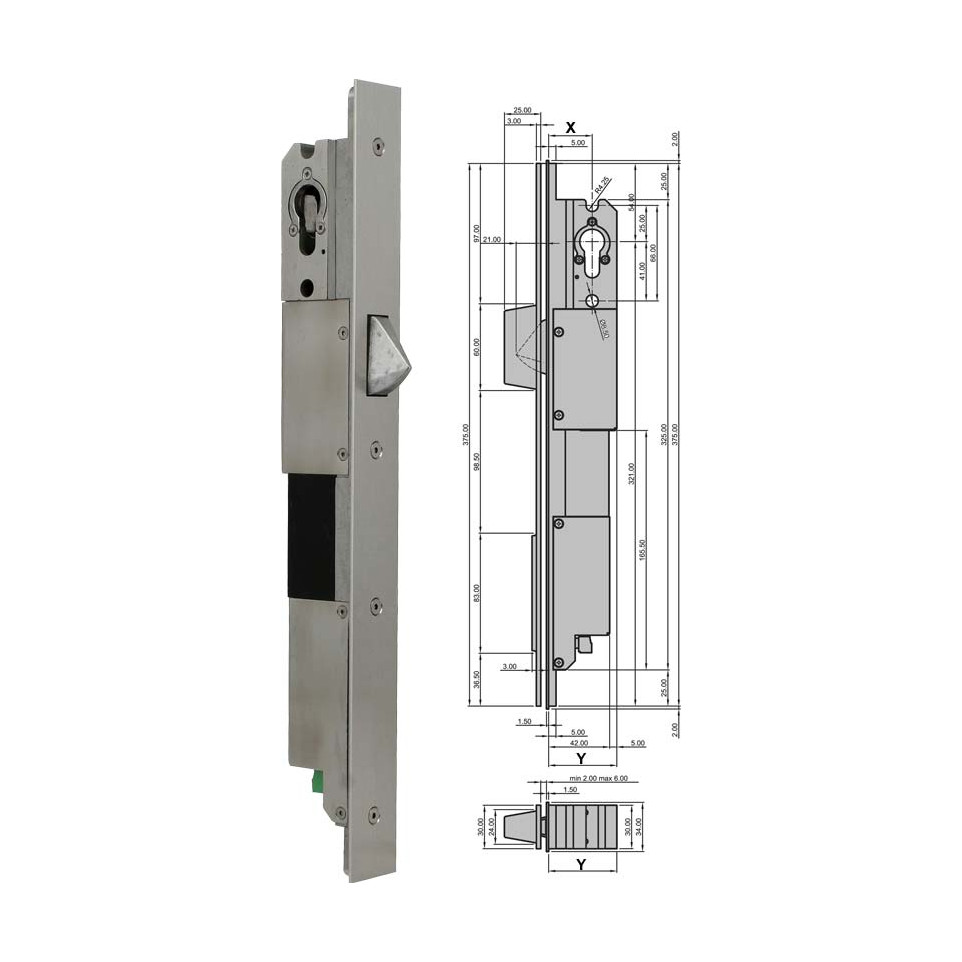
Usage
The BB Locks A1 Basic 30 SA electric lock is used for securing entry points in high-security environments such as banks, prisons, hospitals, and commercial buildings. It integrates with access control systems where fail-safe operation is required.
Advantages
- Fail-safe electromechanical locking ensures doors unlock automatically during power failure for safe emergency egress.
- Automatic locking mechanism secures the door instantly upon closing, reducing the risk of accidental unlocking.
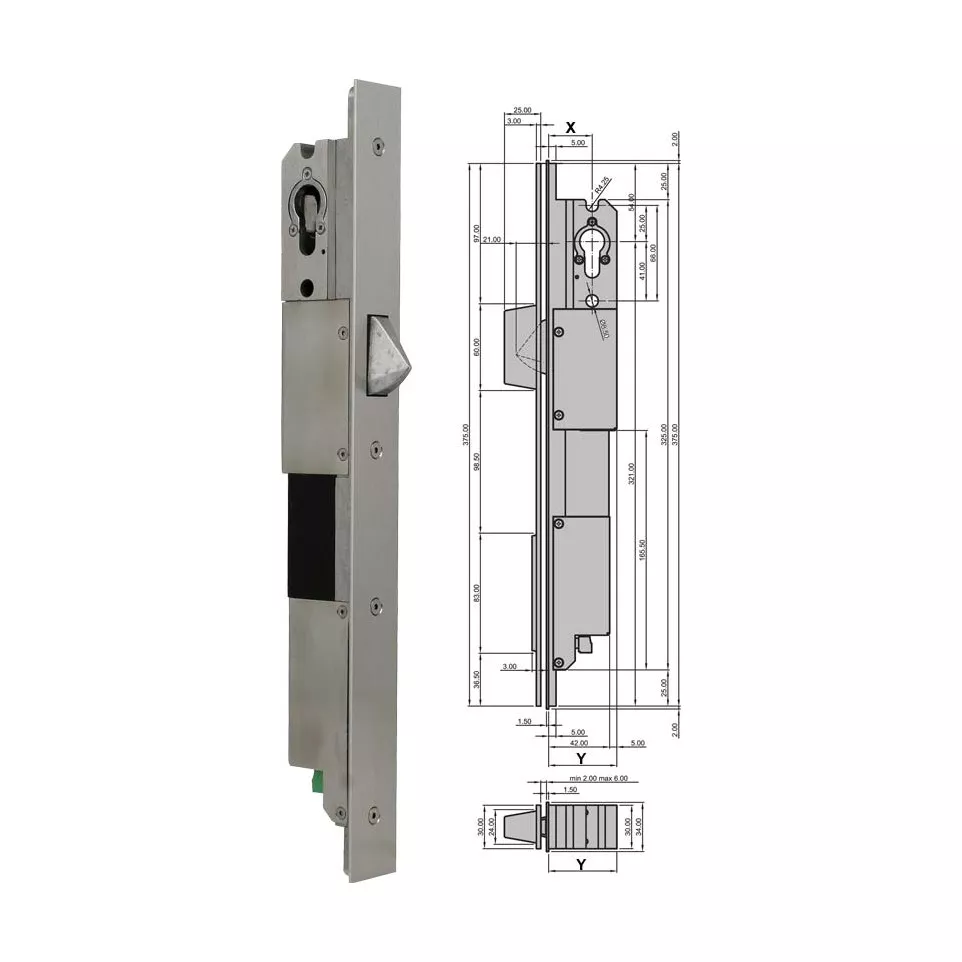
- Constructed with hardened duplex deadbolt and deadlock components mounted on a solid stainless steel baseplate for enhanced physical resistance to forced entry attempts.
- Circuit board protected by polyurethane casting resists humidity and salt ingress, ensuring long-term reliability even in demanding environments.
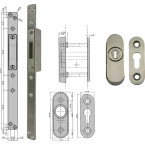
- Suits integration with various impulse generators (push buttons, keypads, card readers) using a Normally-Open contact; compatible with both Europrofile and round cylinders for adaptable installation.
Specifications
- Design & Materials: Mortise lock type; all major components including baseplate and covers made of AISI 304 stainless steel (lost-wax casting); hardened duplex bolt construction provides robust defense against burglary and vandalism attempts.[5]
- Durability & Standards: Manufactured according to European security standards; internal electronics encapsulated for protection against environmental factors.[1][5]
- Performance: Operates at 24Vdc (+/-5%), requiring up to 2.5A current; automatic locking action triggered when door closes via integrated sensors; striker plate offers molded or adjustable striker cup (±2mm) for precise fit.[5]
- Differentiating Features: Microprocessor-based intelligence enables compatibility with advanced access control setups; fail-safe principle allows safe evacuation during power failure events.[5]
How it works
This electromechanical lock functions on the fail-safe principle: it remains unlocked without power. When powered and triggered by an authorized access device—such as a push button or card reader—the solenoid activates the bolt to secure or release the door automatically. Integrated sensors ensure re-locking each time the door closes.[5]